About SA 387 GR.2 CL.1-2 Alloy Steel Plates
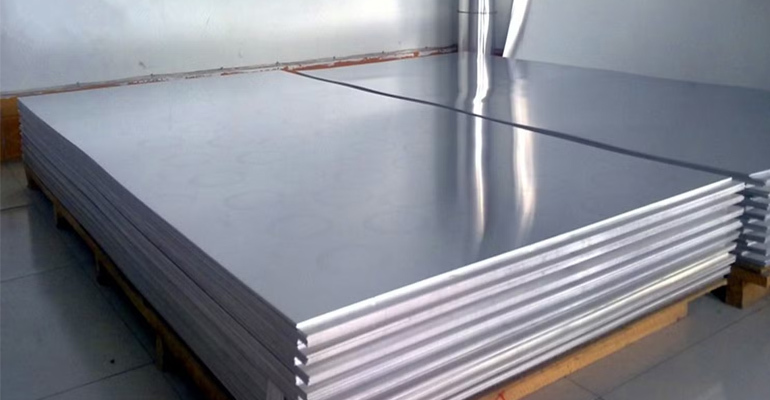
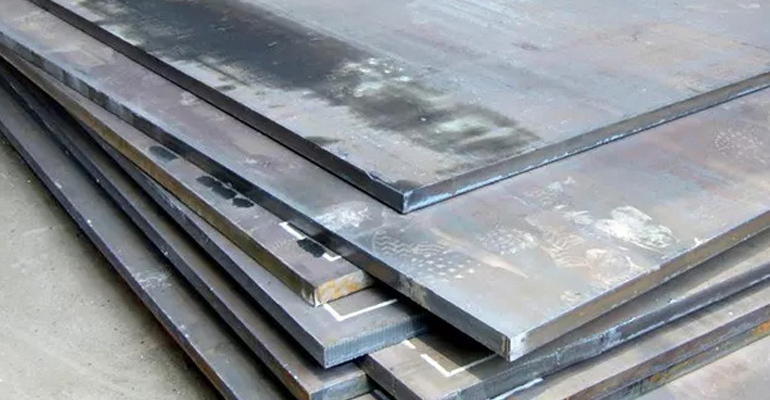
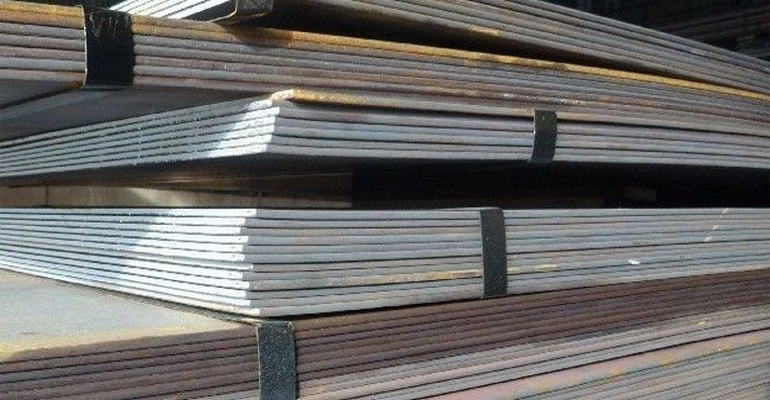
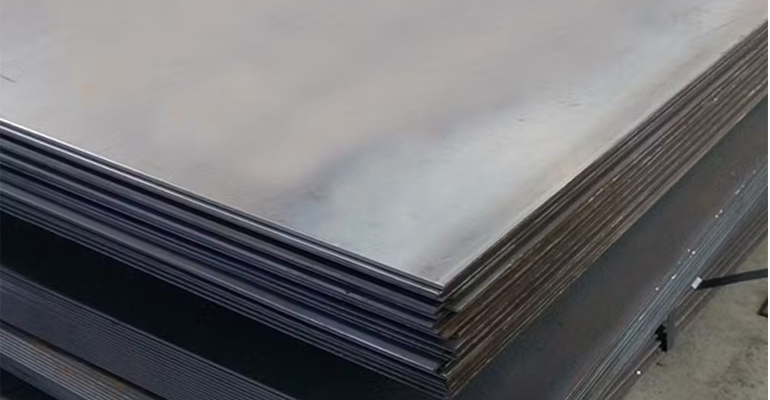
Discover a hot deal on SA 387 GR.2 CL.1-2 Alloy Steel Plates, a highly recommended solution for pressure vessel applications. These splendiferous plates, available in both CL.1 and CL.2 classes, are manufactured through a virtuoso hot-rolled process-delivering lofty mechanical strength and excellent weldability. Temperatures as low as 52C are no match for their resilience. Offered in custom sizes and industrial matte finish, these alloy steel marvels are reduced in price for a limited time. Enjoy a plate tailored to your exact needs, whether for boilers, petrochemical, or pressure vessel requirements.
Versatile Performance & Extra Features
SA 387 GR.2 CL.1-2 Alloy Steel Plates are widely used in demanding industrial environments including boilers, petrochemical plants, and pressure vessel construction. Suitable for high-pressure operations, they boast good weldability, multiple finish and heat-treatment options, and robust impact resistance. Their customizable supply formats and optional heat treatments add versatile extra features, making them ideal for applications where strength, safety, and longevity are paramount.
Certifications, Port, & Export Markets
These highly certified plates meet strict ASME standards, guaranteeing reliability and quality. We offer timely supply from major FOB ports in India to meet your global needs. The primary export markets include the Middle East, Southeast Asia, and Europe. Our competitive expenditure structure ensures cost-effective solutions for bulk and custom requirements, helping you manage your project budgets without compromising on excellence.
FAQ's of SA 387 GR.2 CL.1-2 Alloy Steel Plates:
Q: How are SA 387 GR.2 CL.1-2 Alloy Steel Plates manufactured?
A: SA 387 GR.2 CL.1-2 Alloy Steel Plates are manufactured using the hot-rolled (HR) process, which imparts toughness and consistent grain structure. Further surface treatments like as-rolled, normalized rolling, furnace normalizing, or vacuum degassing can be applied as per customer requirements.
Q: What applications are these alloy steel plates commonly used for?
A: These plates are primarily used in pressure vessel applications, such as industrial boilers and petrochemical installations, where strength, durability, and resistance to high-temperature stress are essential.
Q: When should I choose between CL.1 and CL.2 options?
A: CL.1 is suitable for most standard pressure applications, while CL.2 provides enhanced mechanical properties for more demanding environments. Your choice depends on the specific stress and impact requirements of your project.
Q: Where can these plates be supplied or exported?
A: We export and supply SA 387 GR.2 CL.1-2 Alloy Steel Plates globally, with main markets including the Middle East, Southeast Asia, and Europe via FOB Indian ports.
Q: What are the benefits of opting for custom supply forms and finishes?
A: Custom supply forms and finishes ensure the plates precisely meet your dimensional and operational needs, enhancing ease of installation, performance, and safety for specialized industrial applications.
Q: How does the impact test temperature of 52C benefit the end usage?
A: An impact test temperature of 52C signifies the plate's ability to retain toughness and structural integrity in cold environments, making it ideal for use where low-temperature resilience is required.





 Send Inquiry

 Send Inquiry
 Send Inquiry
 Send SMS
 English
 Spanish
 French
 German
 Italian
 Chinese (Simplified)
 Japanese
 Korean
 Arabic
 Portuguese